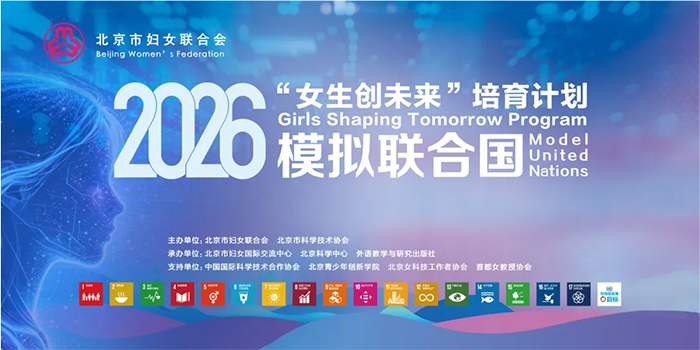
2026 “Girls Shaping Tomorrow Program”: Digital Intelligence Empowering Sustainable Development, Model United Nations Connecting Youth with the World
Date:2026-6-18 9:46:59 Views:
On June 17, China’s State Council Information Office released a white paper titled More Just and Equitable Global Governance: China’s Principles, Proposals and Actions, aiming to build international consensus and advance reforms toward a more just and equitable global governance framework. Against this backdrop, a vibrant and engaging Model United Nations (MUN) event recently took place at Fangcaodi International School in Beijing. Primary school students from China, France, Kazakhstan, Kenya, Russia, Singapore, Tonga, the United Kingdom, and other countries engaged in immersive diplomatic negotiations, gaining firsthand insight into how the future of the world is interconnected with individual destinies. Through the experience, they developed a deeper understanding that human well-being demands collective action and shared commitment from all nations.
Young Voices Discuss New Opportunities in the Digital Age
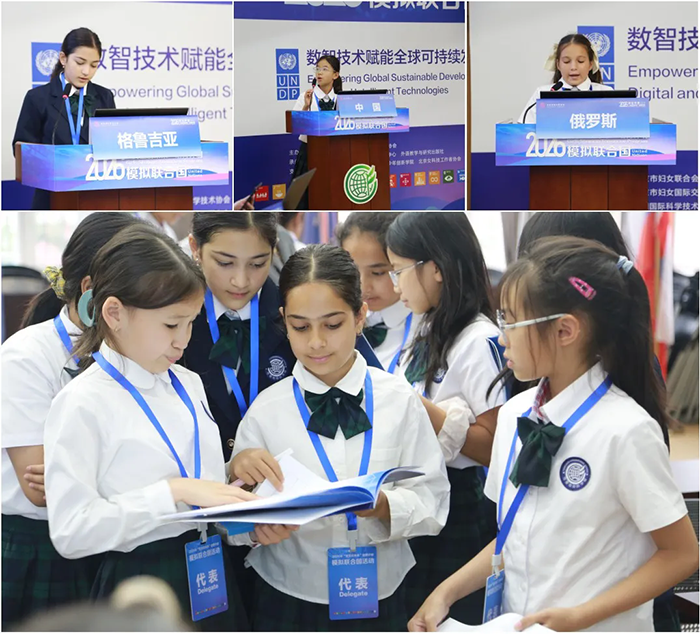
“The delegation of Kenya moves for a moderated caucus on the topic of helping women gain equal access to the internet and digital tools...”
“The delegation of China proposes establishing a digital intelligence cooperation platform to share experiences in the application of digital and intelligent technologies...”
“The delegation of Singapore calls for more in-depth international cooperation to develop a low-carbon digital economy and help narrow the development gap between the Global North and the Global South...”
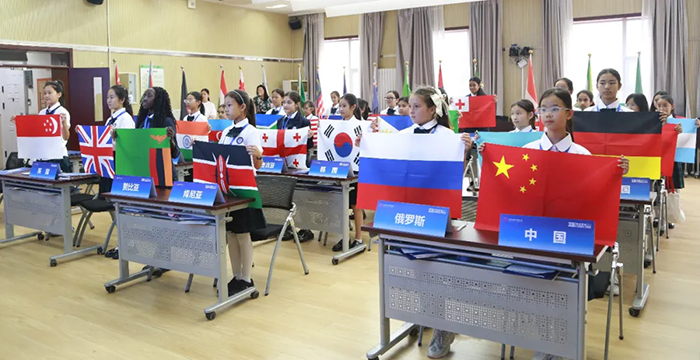
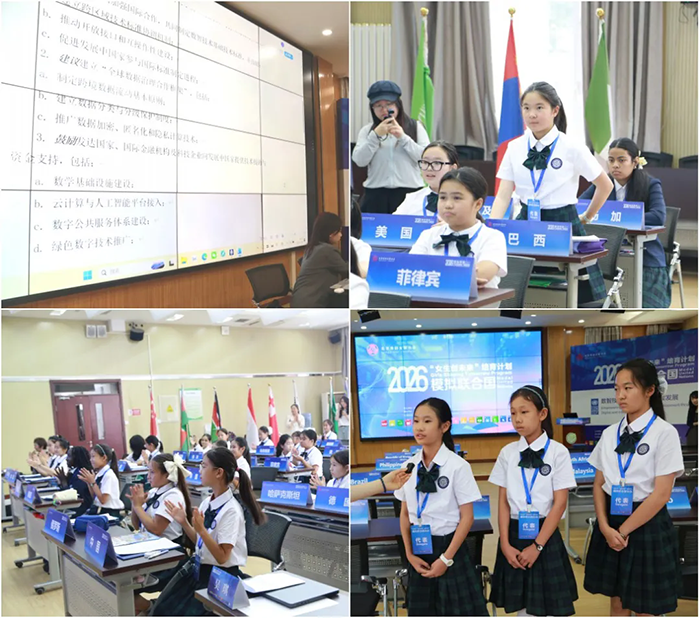
To the sound of rousing music, student delegates entered the conference hall carrying the flags of United Nations member states. The chair called the roll, and as each country was named, delegates quickly stepped into their roles, raising their placards and responding with confidence. Centered on the theme “Empowering Global Sustainable Development through Digital Intelligence,” the young “diplomats” engaged in heated debates and negotiations on both the opportunities and challenges posed by emerging technologies. Grounded in the realities of their assigned countries, they proposed diverse solutions covering financial support, technical assistance, talent development, international cooperation, and support for key populations, offering recommendations and solutions to global development issues from the perspectives of young people.
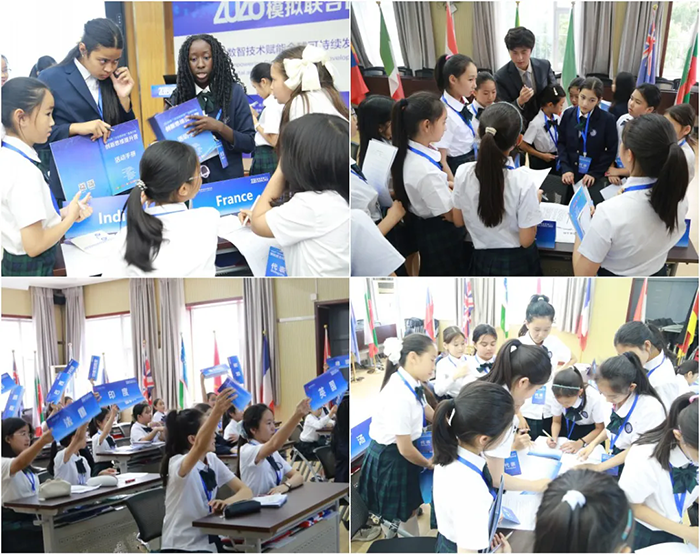
During unmoderated caucuses, delegates exchanged views extensively, engaged in diplomatic consultations and lobbying efforts, and actively sought to build alliances. After multiple rounds of discussion, they reached consensus and jointly drafted a resolution that balanced each country’s circumstances and interests. In the formal vote, more than two-thirds of the delegates voted in favor of the resolution. The hall erupted in sustained applause as individual efforts were translated into a shared framework for collective action, which demonstrated the diplomatic wisdom of seeking common ground while respecting differences in a complex international environment.
Reflecting on the experience, a student named Du Boxi said: “This conference taught me to step into others’ shoes, to understand and embrace diverse viewpoints, and to seek collaborative, cross-border solutions amid disagreement.”
Innovative Thinking Broadens Global Perspectives
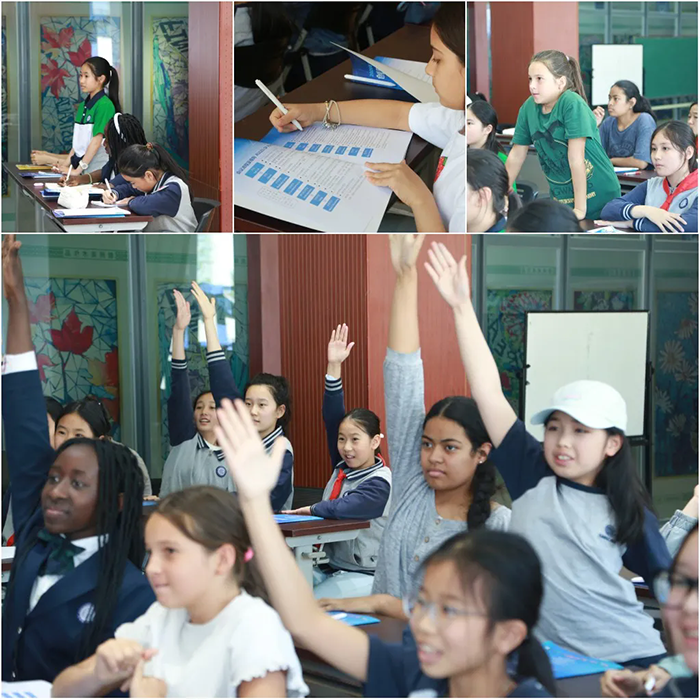
Building on preparatory courses and in-person workshops, students learned the theory and practice of Model United Nations step by step under the professional guidance of instructors from Foreign Language Teaching and Research Press (FLTRP). They explored how digital intelligence can be applied to sustainable development, conducted research through authoritative channels including the United Nations website, official government platforms, and the United Nations Development Programme (UNDP), and independently drafted position papers and resolution proposals. Every exchange of ideas and every moment of critical thinking reflected the students’ unique perspectives on international affairs, vividly demonstrating the younger generation’s global outlook and sense of responsibility for the future of the world.
Zhou Kaiying, a student from the United States, shared her excitement: “I learned how to analyze issues from a national perspective. Writing position papers sharpened my logical thinking, while the simulations improved my public speaking skills. The whole experience deepened my understanding of how complex international affairs really are.”
Working Together to Advance Sustainable Development
Based on current trends in digital intelligence and the real-world challenges facing the implementation of the United Nations Sustainable Development Goals (SDGs), students developed a series of practical recommendations after extensive consultations:
Calling on member states to strengthen international cooperation and jointly develop basic technical standards for digital intelligence;
Encouraging developed countries, international financial institutions, and technology companies to provide technical assistance and financial support to developing countries, including building digital public service systems and promoting green digital technologies;
Providing women and girls with access to digital devices and internet connections, increasing their participation in technological innovation and digital governance, and expanding digital skills training programs;
Urging all countries to take concrete measures to bridge the digital divide, particularly in rural and remote areas and least developed countries.
These and other practical initiatives aim to promote inclusive and sustainable development.
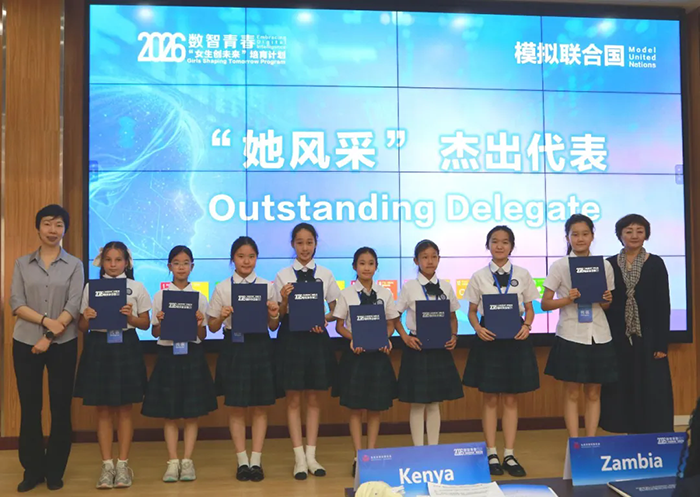
Ding Weitong, recipient of the “Outstanding Delegate with Elegance” Award, said: “This event inspired my dream of engaging in international affairs. I used to think the United Nations was far away from our lives, but through this experience I realized that many global challenges require equal consultation and shared responsibilities among countries. I will continue to study hard and grow into a young Chinese citizen with a global vision.”
Lange, a student from Zambia, added: “This event helped me grow so much. I became more courageous and confident, learned to listen carefully and respect different cultures, and realized that we must work closely together to build a better home for all humanity.”
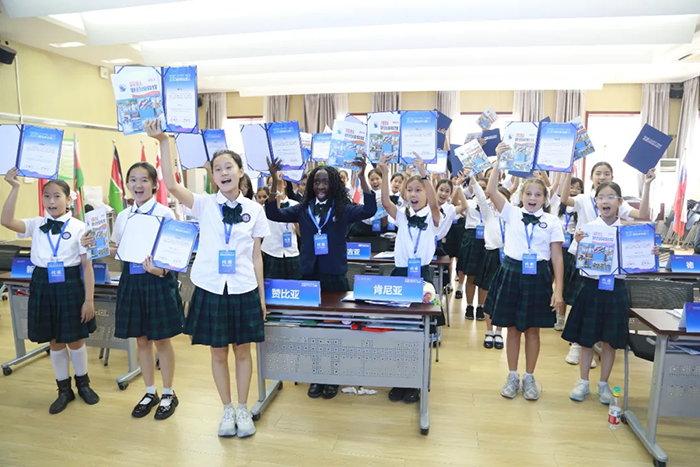
Digital Youth, Global Dreams. At the close of the event, organizers presented students with books related to Model United Nations studies, encouraging them to continue following international affairs, pursue their dreams with confidence, and explore the world with curiosity—from Model United Nations simulations to the real global stage.
The 2026 “Girls Shaping Tomorrow Program” is jointly organized by the Beijing Women’s Federation and the Beijing Association for Science and Technology, and hosted by the Beijing International Exchange Center for Women and organizations including Foreign Language Teaching and Research Press (FLTRP). Looking ahead, the Beijing Women’s Federation will continue to cultivate international awareness and cross-cultural communication skills among girls and young women. Serving as a bridge for dialogue and exchange, it will provide diverse platforms that help young people nurture a global outlook and contribute to a fairer, more equitable global governance system.