Beijing Women’s Federation Successfully Concludes 2026 Training Program on Professional Social Work and Leadership for Social Organizations
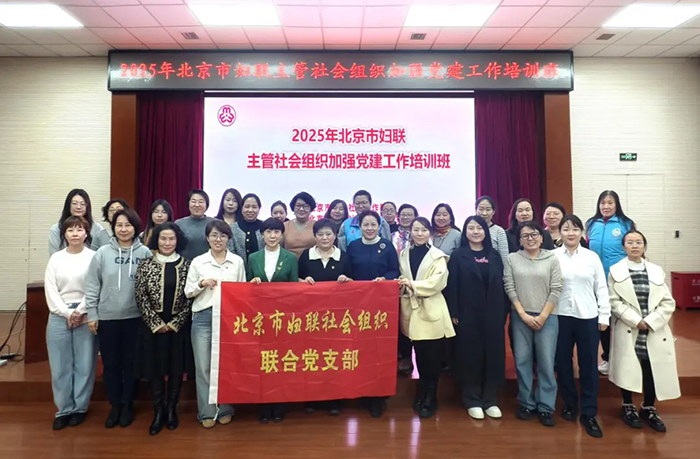
Date:2026-4-14 10:40:36 Views:To thoroughly study and implement the guiding principles of the 20th National Congress of the Communist Party of China and the plenary sessions of the 20th Central Committee of the Communist Party of China, as well as General Secretary Xi Jinping’s important instructions on social work, and to promote the deep integration of professional social work with the work of women’s federations while enhancing the professionalism and effectiveness of services for families, women and children, the Society Work Department of Beijing Women’s Federation, together with the Beijing Women’s Cadre School, jointly held the 2026 Training Program on Professional Social Work and Leadership for Social Organizations from April 8 to 10. A total of 50 participants attended the program, including heads of social work at women’s federations from all 16 districts, full-time social workers, leading women figures in social organizations, and invited key members of professional social work projects.
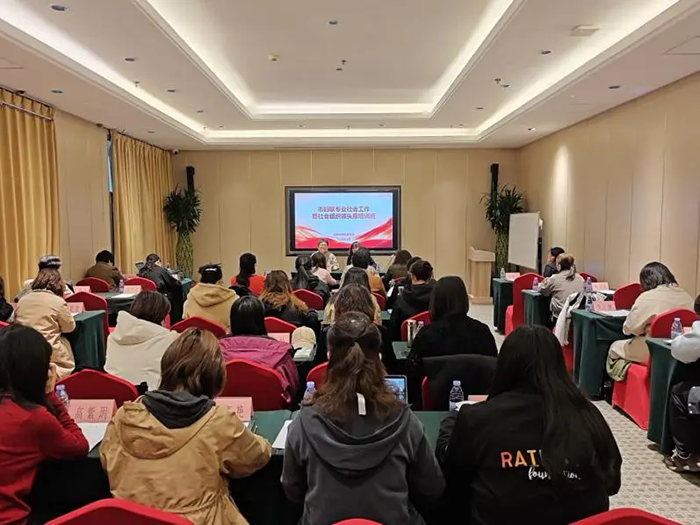
Focusing on the implementation of the specific plans of the CPC Beijing Municipal Committee for advancing social work, and closely addressing the needs of grassroots governance and work concerning women and children in the capital in the new era, the program featured courses on core topics such as the interpretation of the Fourth Plenary Session of the 20th Central Committee of the Communist Party of China, the role of social work in improving people’s well-being and supporting social governance, the practice and application of Sustainable Transformation Theory (ST Theory), approaches to mass work, and the integration of social work principles into services for women, children, and families. A distinguished faculty team—comprising university experts, professionals from professional public welfare social organizations, and frontline grassroots leaders—delivered systematic lectures and practice-oriented teaching with strong theoretical grounding and practical relevance.
Wang Sibin, Professor at the Department of Sociology of Peking University and President of the China Social Work Academy, delivered a lecture titled The Role of Social Work in Enhancing People’s Well-being and Supporting Social Governance. Tao Chuanjin, Professor and Doctoral Supervisor at Beijing Normal University, lectured on ST Theory and the Professionalization of Social Services (including family education). Ding Yuanzhu, Professor at the Party School of the CPC Central Committee (National Academy of Governance), gave a video lecture titled Special Session on the Spirit of the Fourth Plenary Session of the 20th CPC Central Committee—Strengthening Social Governance by Improving People’s Well-Being. Li Meihong, Party Secretary of Bajiao Zhongli Community in Shijingshan District and a Delegate to the 20th CPC National Congress, conducted a case-based session titled How to Effectively Carry Out Mass Work. Officials from the Department of Social Work of the Beijing Women’s Federation and staff members from the Beijing Qiyue Center for Philanthropy also delivered sessions focusing on social work concepts.
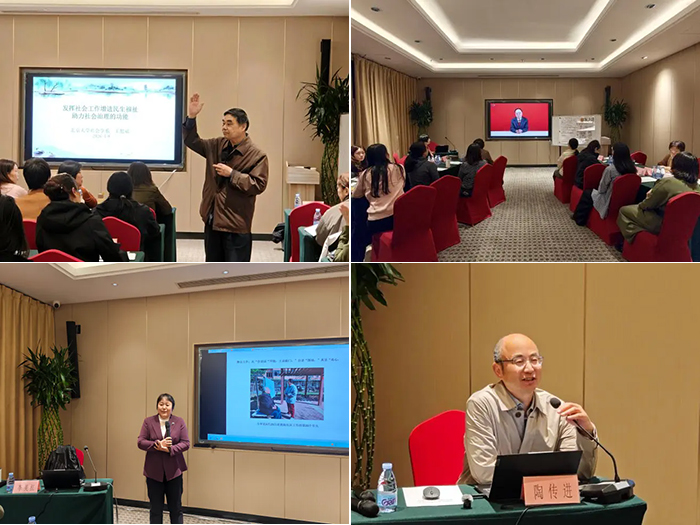
The training adopted diverse formats, such as thematic instruction, practical training, case-based teaching, video sessions, interactive Q&A, and group discussions, with a strong emphasis on participation and practical application throughout. In hands-on sessions such as group discussions and simulated case dialogues, participants enhanced their practical skills through scenario-based exercises. Interactive exchanges and open discussions also provided a platform for sharing experiences and collaboratively addressing challenges.
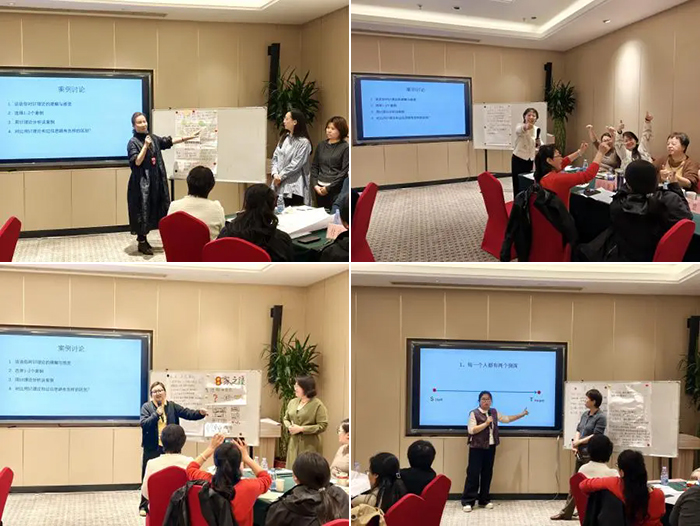
At the trainee forum, representatives from each group spoke in turn to exchange learning outcomes, share work cases, and discuss practical challenges, fully demonstrating the professional competence and sense of responsibility of social workers and leaders of social organizations within the Beijing Women’s Federation system.
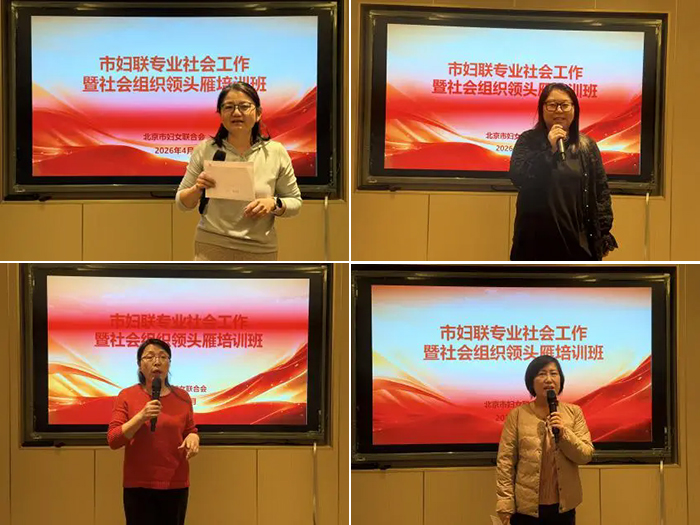
With a clear theme, practical content, and diverse formats, the training not only strengthened participants’ theoretical foundations and enhanced their professional skills but also broadened their perspectives. Participants expressed that they will take this training as an opportunity to better integrate what they have learned into practical work—serving women and children, promoting family development, and advancing grassroots governance. They will apply the principles of professional social work, give full play to the exemplary leadership roles, and contribute to the high-quality development of women’s and children’s initiatives and social work in Beijing with greater professionalism and a more pragmatic approach.